
Our Areas of Expertise
Tailored strategies to help you understand your claim and maximize your results.

CNESST
If you’ve been injured at work or diagnosed with an occupational illness, the CNESST claims process can be complex and challenging.
The Commission des normes, de l'équité, de la santé et de la sécurité du travail (CNESST) oversees workplace health and safety in Quebec. They manage claims related to work accidents, psychological injuries, and occupational diseases — offering injured workers access to compensation, rehabilitation, and job protection. However, the claims process can often be confusing, time-consuming, and difficult to manage alone, especially when you're already dealing with the physical and emotional toll of an injury.
That’s where Dynamique Consultants comes in.
We specialize in helping individuals file, manage, and contest CNESST claims — ensuring that every step is handled with precision, care, and experience. Whether you need help understanding your rights, submitting medical evidence, appealing a decision, or securing fair compensation, our team is here to support you. We also assist in ensuring the accurate evaluation of your impaired abilities, helping to secure the benefits you’re entitled to.
We have extensive experience with all types of CNESST cases, including:
- Physical injuries (fractures, sprains, traumatic injuries)
- Psychological injuries (workplace harassment, burnout, PTSD)
- Occupational illnesses (repetitive strain, hearing loss, lung conditions)
We understand how difficult it can be to manage the CNESST process on your own let our experts help. Contact us today for a free consultation and learn how we can support you in securing the compensation and benefits you deserve.
Did You Know?

Appeal CNESST Decisions
If CNESST refuses your claim, you have the right to contest the decision. This involves requesting a formal review of your case, which can be an opportunity to provide new evidence or clarify details that may have been overlooked.

Compensation for Travel Expenses
If you need to travel outside your community for medical treatment related to your injury, CNESST may cover travel costs, including transportation and accommodation, if necessary. Keep detailed records of your trips and receipts to get reimbursed. (uber not accepted)

Home Expenses
If you have recognized physical limitations, you may be entitled to home services such as snow removal, lawn maintenance, and Tempo setup/takedown.

SAAQ
Being injured in a motor vehicle accident can be a life-altering experience, and the process of dealing with the SAAQ can feel like an additional burden.
The Société de l'assurance automobile du Québec (SAAQ) manages compensation for individuals involved in accidents, whether you're a driver, passenger, pedestrian, or cyclist. The no-fault insurance system in Quebec ensures that anyone injured in a motor vehicle accident is entitled to benefits, including medical expenses, rehabilitation, and compensation for lost wages.
SAAQ coverage can include:
- Medical and rehabilitation expenses
- Income replacement benefits
- Compensation for physical and psychological injuries
- Reimbursement for travel expenses related to treatment
- Home adaptation and personal assistance services
- Funeral costs and survivor benefits (in the case of fatal accidents)
Here’s the challenge: even though the system is designed to provide support, navigating the SAAQ’s claims process can often feel like an uphill battle. The claims process is complex, strict on documentation, and often leads to frustration - especially if you’re dealing with complex injuries, psychological harm or disputes over the severity of your case.
At Dynamique Consultants, we help individuals understand their rights and access the full range of benefits they’re entitled to. Our experienced team specializes in managing SAAQ claims and appeals, assisting you in gathering the necessary documentation, and navigating challenges like claim denials or disputes over compensation. We are committed to ensuring you receive the compensation and support you deserve, every step of the way.
We have extensive experience with all types of motor vehicle accident claims, including:
- Physical injuries (injuries to upper and lower limbs, spinal injuries, head trauma)
- Psychological impacts (PTSD, anxiety, depression)
- Pedestrian, cyclist, and motorcyclist accidents
Don’t let the complexities of the SAAQ claims process hold you back. Reach out to us today for a free consultation, and let’s take the next step in securing the benefits you deserve.
Compensation Clues
Following an accident, it's crucial to take the following steps:
- Seek medical attention immediately, even for seemingly minor injuries, to ensure all health concerns are documented.
- Complete the SAAQ claim form promptly to avoid delays in processing your case.
Disclose all injuries, both physical and psychological, during your medical evaluation to ensure they are properly recorded. - Disclose all injuries, both physical and psychological, during your medical evaluation to ensure they are properly recorded.
- Document key details about the accident.

Save Your Receipts
SAAQ reimburses many accident-related expenses — including transportation, medications, and medical supplies. Keep all receipts and submit them with your claim.

Claim Damaged Personal Items
You can be reimbursed for clothing, glasses, or other personal effects damaged in the accident. Take photos and include the value when submitting your claim.

Deadlines Matter
You generally have three years from the date of the accident to file your claim — but the sooner, the better. Late filings may be denied.

Psychological Injuries Count
Emotional and psychological trauma (e.g. PTSD, anxiety, depression) are recognized by the SAAQ. These injuries are valid and may be eligible for compensation with proper medical documentation.

Home care assistance
If you have limitations that affect your ability to manage daily tasks (like housekeeping, meal preparation or personal hygiene), you may be entitled to home care assistance.

IVAC
Being a victim of violence or a criminal act is a traumatic experience that can leave you physically, emotionally, and financially impacted. The process of navigating the Indemnisation des Victimes d'Actes Criminels (IVAC) claim system can add additional stress.
IVAC provides financial support to those impacted by violent crimes, such as assault, robbery, and domestic violence. This compensation helps cover medical expenses, lost wages, psychological support, and more. However, navigating the claims process can be complex, especially when you're dealing with the emotional and physical aftermath of such an event.
While the IVAC system is designed to support victims, the claims process can be difficult to navigate. Timely filing and appropriate documentation are essential for a successful claim. Additionally, if a claim is denied or compensation is insufficient, you have the right to appeal.
At Dynamique Consultants, we provide expert assistance in managing IVAC claims. By understanding the IVAC process and being aware of the resources available, we’ll fight to get you the best compensation possible. If you have any questions or need assistance with your claim, don’t hesitate to reach out to us.
Quick Tip

Witnesses Can Also Apply
If you are a witness to a criminal offence, you may be eligible for compensation through IVAC. See the various categories of victims eligible for financial assistance.
HEARING LOSS
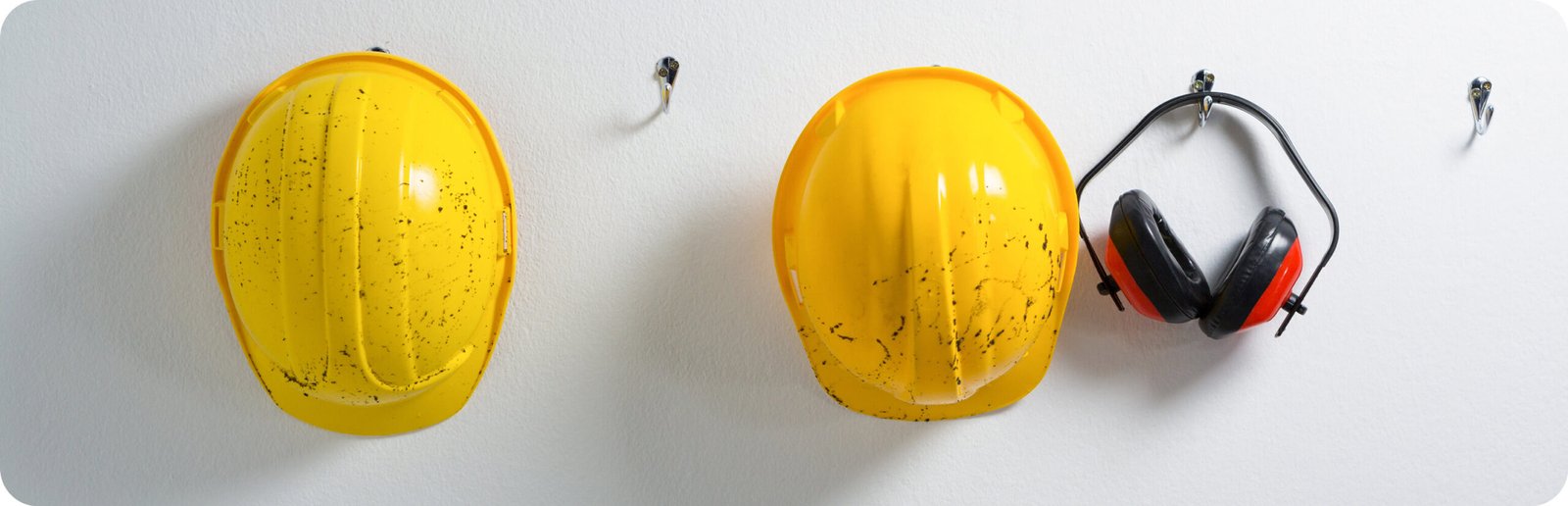
If you've been exposed to prolonged, high-decibel noise levels at work, you may be at risk of permanent hearing damage; which can affect your ability to communicate as well as your professional and personal life.
In Quebec, occupational hearing loss is recognized as a workplace injury under CNESST, and you may be entitled to compensation if you’ve been diagnosed with this condition. The process of filing a claim for hearing loss can be complicated, but with the right support, we can ensure you receive the benefits and resources you deserve.
The process of filing a claim for hearing loss can be complicated. Deadlines apply, and it is necessary to provide medical examinations (such as an audiogram) demonstrating that the hearing loss is directly linked to your occupational exposure. Our specialized support can make all the difference in protecting your rights and accessing the available benefits.
Occupational hearing loss is typically caused by prolonged exposure to high levels of noise in the workplace. This could include:
- Construction sites
- Manufacturing plants
- Music venues or clubs
- Jobs involving constant loud machinery or equipment
- Other environments with consistent high noise exposure, such as schools, sports arenas, or transportation-related jobs
Did You Hear?
Even with hearing protection, such as earplugs or earmuffs, prolonged exposure to high noise levels can still result in hearing damage over time.
Symptoms of hearing loss may include difficulty hearing high-pitched sounds, trouble understanding speech in noisy environments, or ringing in the ears (tinnitus). If you suspect your hearing loss is related to your work environment, it’s important to file a claim with CNESST as soon as possible to ensure you’re compensated for your condition.
To be eligible for compensation, it’s essential to provide the right documentation proving your hearing loss is work-related.
Contact us today for a free consultation, and we’ll connect you with the right specialists and support your claim.

PSYCHOLOGICAL HARASSMENT
Psychological or sexual harassment at work can be just as debilitating as physical injuries. If you’ve been subjected to workplace harassment, bullying, or other forms of emotional distress, you may be entitled to compensation through CNESST.
What is Harassment in the workplace?
Psychological/sexual harassment refers to repeated, hostile, or unwelcome behaviour that impacts a person’s dignity, self-respect, and well-being. This can include harmful comments, gestures, or actions that create a distressing work environment. This can involve harmful comments, gestures, or actions that create an unpleasant work environment.
Even a single, serious incident may be considered harassment if it has a lasting negative effect on the individual.
Harassment becomes discriminatory when it is based on one of the following characteristics protected by the Charter of Human Rights and Freedoms :
- Race, color, or ethnic/national origin
- Age, language, sex, pregnancy, civil status
- Gender identity or expression, sexual orientation
- Religion, social condition, political views
- Disability or the use of means to accommodate a disability
Harassment can happen at any level within a company—between coworkers, managers, or even with clients, suppliers, and other external parties. It can lead to debilitating psychological conditions, including anxiety, depression, burnout, or post-traumatic stress disorder (PTSD).
If you’ve experienced any form of harassment in the workplace, it’s important to take action by filing a claim with the CNESST to receive the support and compensation you’re entitled to. Our team is here to provide the expert guidance you need throughout this process.

DISABILITY INSURANCE
When a health condition prevents you from working, the last thing you need is a complicated claims process. Whether your disability is short-term or long-term, navigating the system can be confusing and overwhelming. At Dynamique Consultants, we simplify every step, helping you understand your rights and secure the benefits you’re entitled to.
Short-Term Disability (STD) Claims
Short-term disability provides income replacement for employees temporarily unable to work due to illness or injury. Since the claims process is time-sensitive, missing deadlines or submitting incomplete documents can result in delays or denials. Our team is here to make sure your claim is filed correctly and on time.
Long-Term Disability (LTD) Claims
Long-term disability benefits typically begin once short-term benefits are exhausted. They provide income replacement when you are unable to work for an extended period. These claims are often more complex and require detailed medical evidence. We assist in managing the paperwork, gathering necessary documents, and advocating for a fair decision.
Insider Insights
- The duration of your short- or long-term disability benefits depends on your insurance policy or collective agreement.
- Total disability is recognized after 24 months of ongoing disability and the inability to pursue any form of work.
- You may also be eligible for disability benefits under the Québec Pension Plan (Retraite Québec) and both federal and provincial disability tax credits.

QUEBEC PENSION PLAN (QPP) DISABILITY PENSION
Navigating government benefits and credits can be challenging, but understanding your entitlements can make a world of difference during difficult times. At Dynamique Consultants, we help you explore and access the financial resources available.
If you’re under the age of 65 and unable to work due to a severe and prolonged disability, you may be eligible for the Quebec Pension Plan (QPP) Disability Pension. The QPP disability pension is designed to provide financial assistance to individuals who have contributed to the Quebec Pension Plan and can no longer maintain gainful employment due to their medical condition.
Key Eligibility Requirements
- Work History: You must have made enough contributions to the QPP through your work history.
- Severity of Disability: Your disability must be severe and prevent you from performing any significant work. This includes both physical and psychological conditions.
- Medical Documentation: To qualify, you will need to provide medical evidence that supports your claim, demonstrating the severity and long-term nature of your disability.
Living with a disability can bring significant stress and uncertainty. With our experience, we’ll help you navigate the claims process and present a strong, well-documented application.
FEDERAL AND PROVINCIAL DISABILITY TAX CREDIT
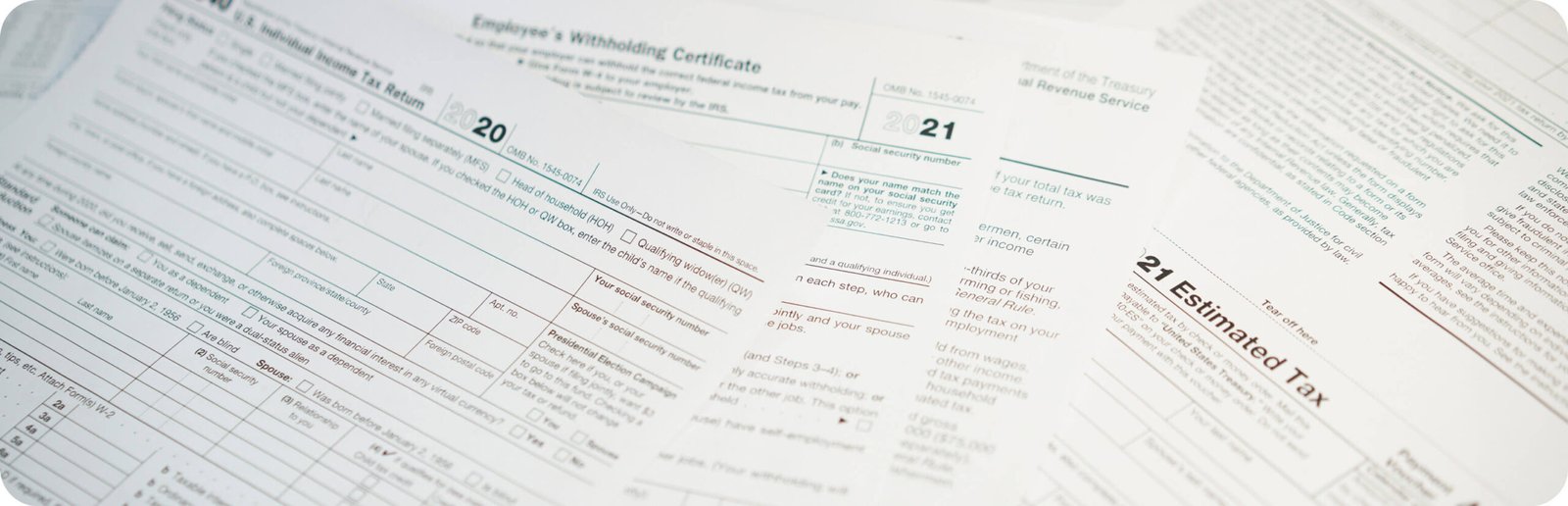
The Disability Tax Credit (DTC) is a non-refundable tax credit that provides financial relief to individuals with a severe and prolonged disability. Both federal and provincial governments offer these tax credits, which can help reduce your taxable income.
To qualify for the Disability Tax Credit:
- You must have a severe and prolonged impairment that markedly restricts your ability to perform basic activities of daily living in at least of the following categories: walking, feeding, dressing, hearing, speaking, and mental functions.
- The condition must be ongoing for at least 12 months and certified by a licensed medical practitioner.
- You do not need to be receiving other disability benefits (like QPP or insurance) to apply for the DTC.
- A supporting family member may also be able to claim the credit on your behalf if you don’t have taxable income.
Navigating federal and provincial tax credits can be long and complex. We’re here to connect you with the right resources and help you unlock benefits you may qualify for.
Quick Tip
If you were eligible for the tax credit but never made your claim, it’s not too late to apply (it can be retroactive 10 years).


